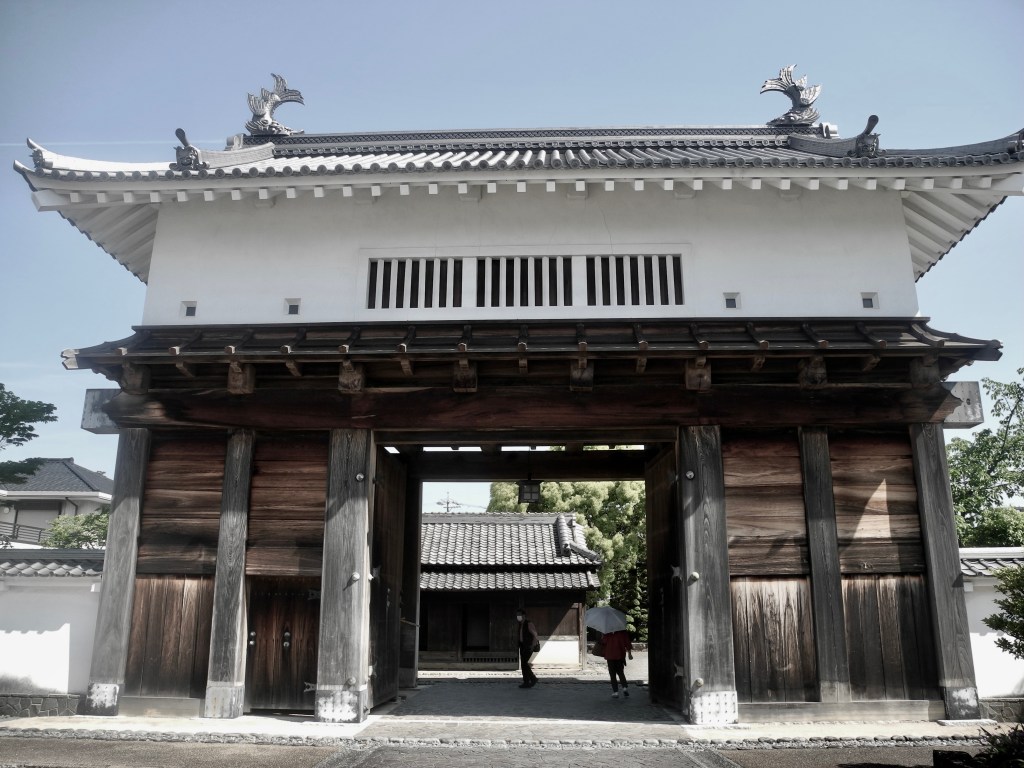
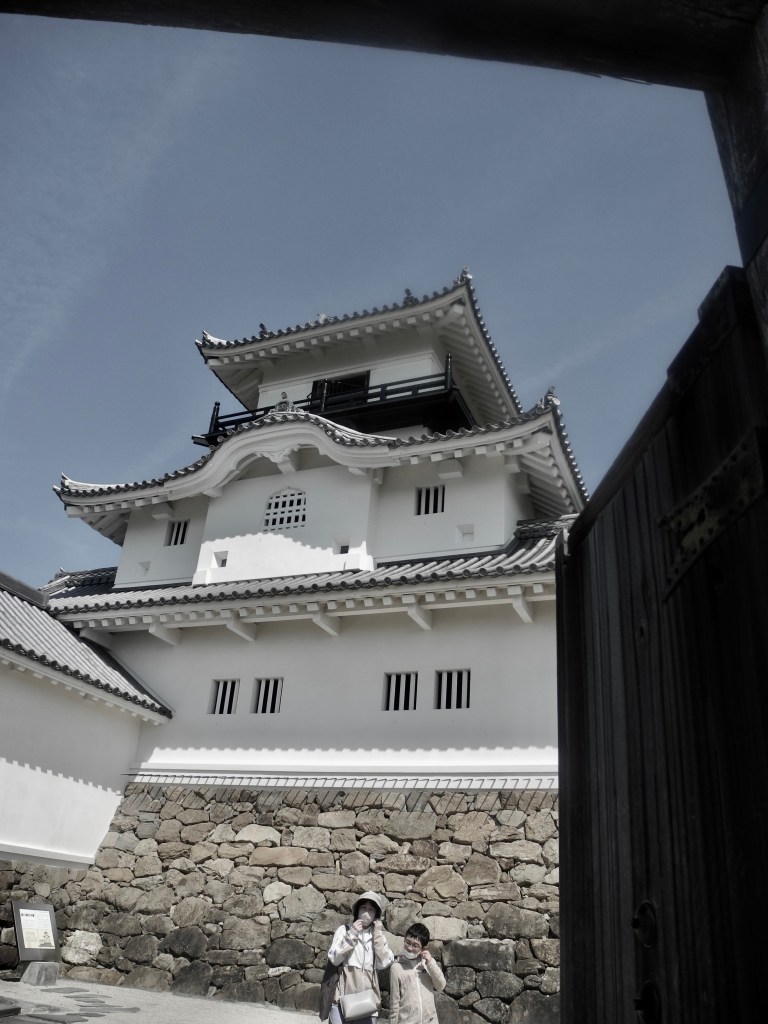
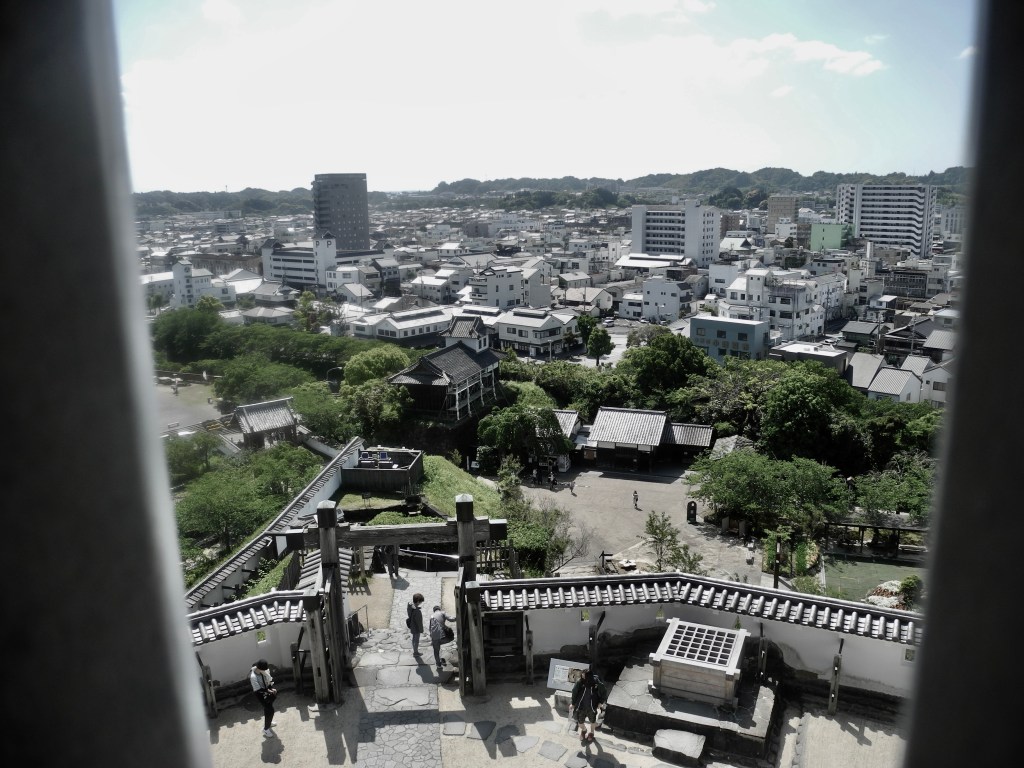
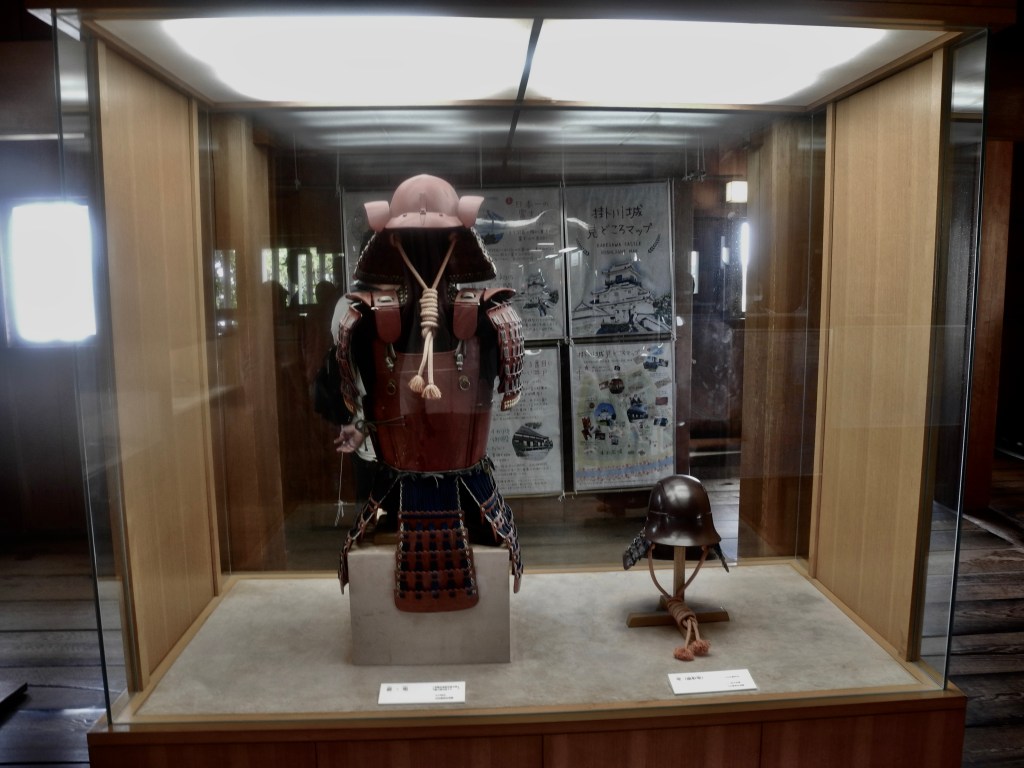
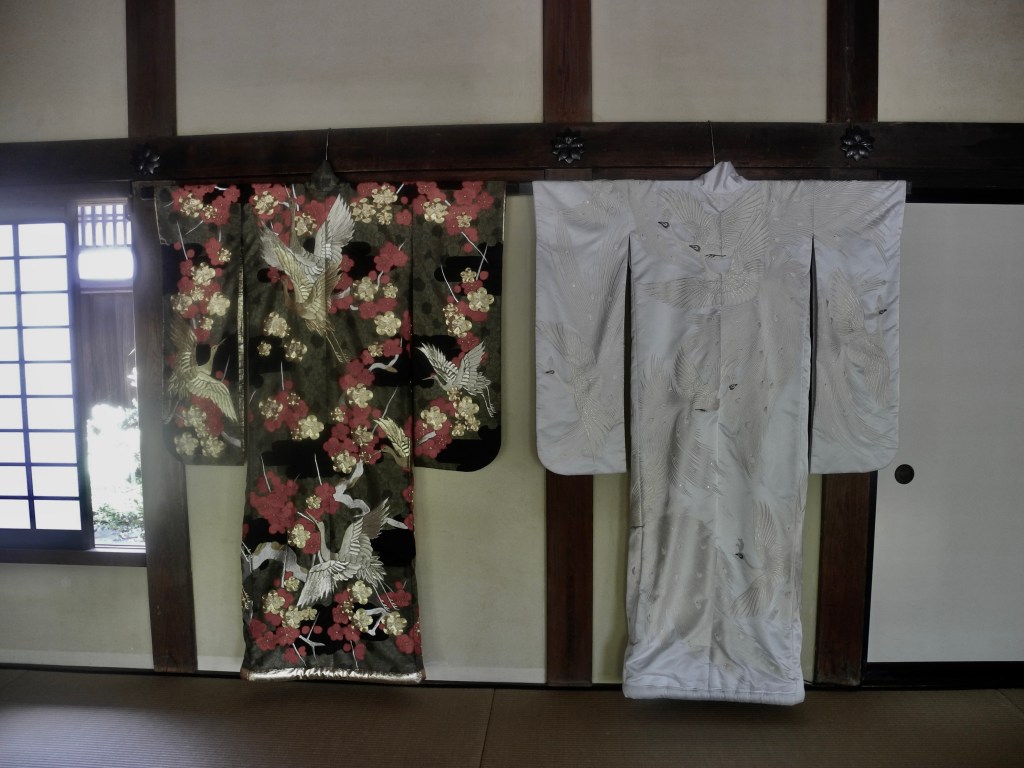

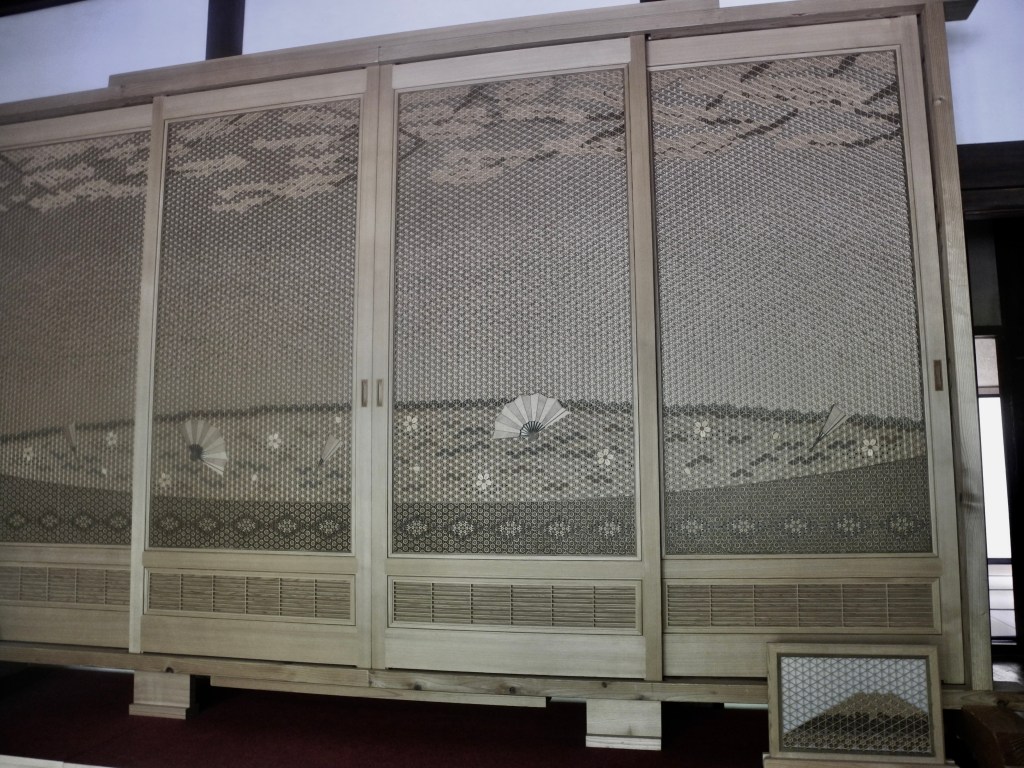
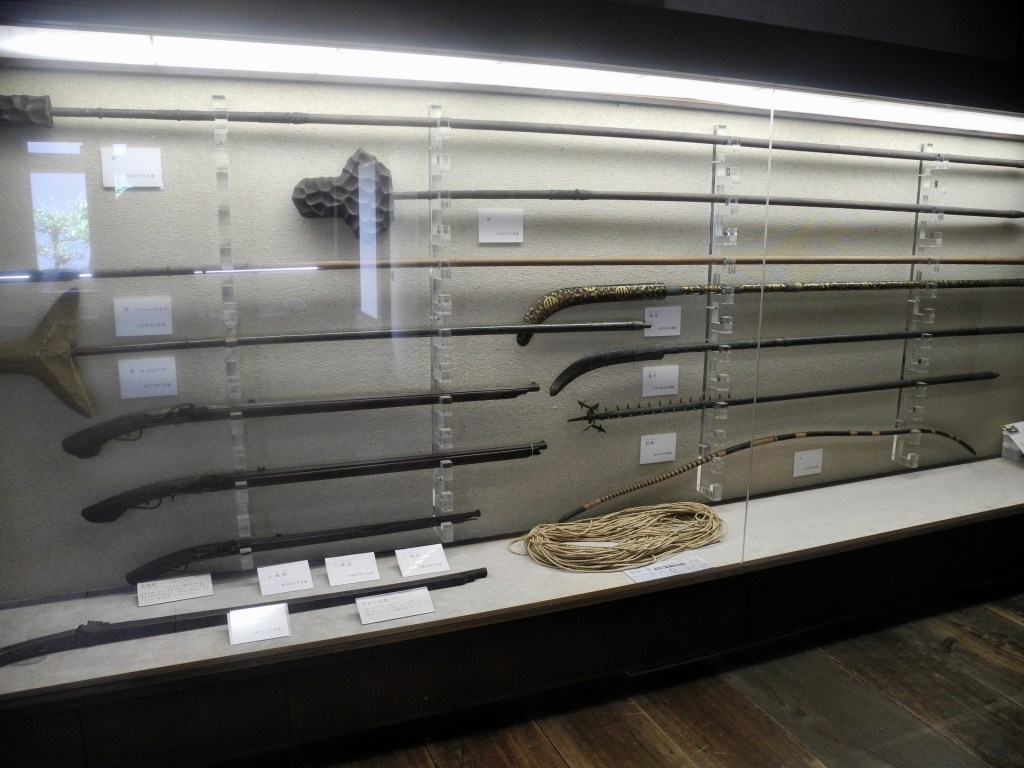
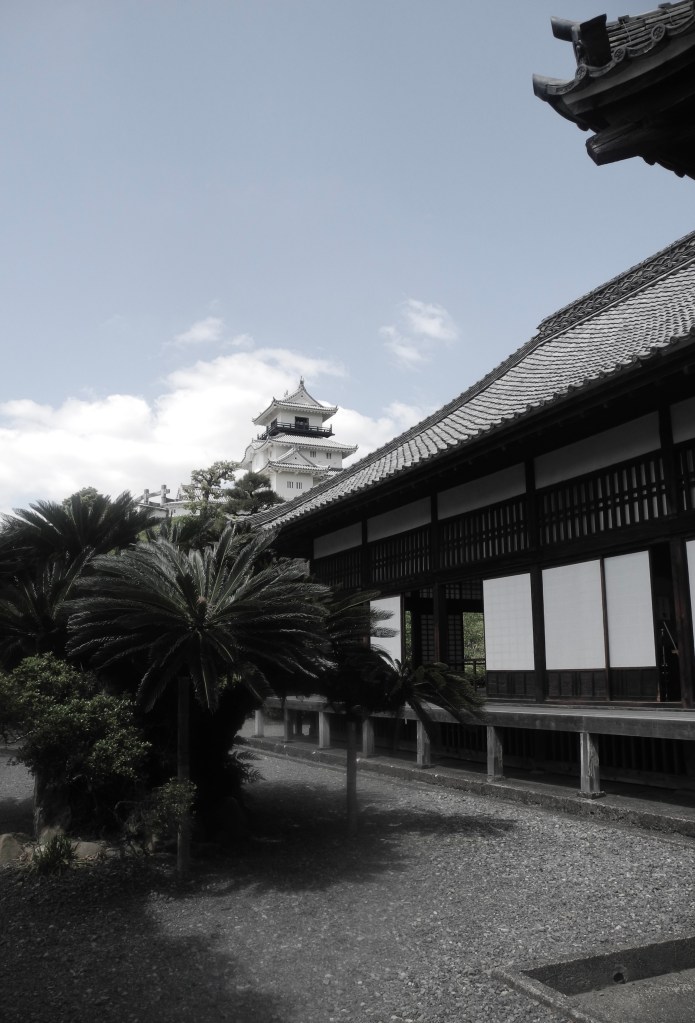
One day in May 2023, I stayed in Kakegawa, a small town in western Shizuoka Prefecture. I found the Japanese sense of beauty in the wooden castle tower. The castle was beautiful and at times I thought it looked somewhat like a Japanese painting.
Like humans, castles are organic objects that breathe, have expressions and express something. Therefore, when it comes to photographing it, it works best when the photographer’s breathing matches the castle’s breathing. The lack of interest in the introductory photographs of castles in many travel magazines is due to the fact that they present the castle as an inorganic part.
I have also long believed that travel magazines and combinations of text and photographs bring little benefit to either the text or the photographs. If the text is extremely good, it blows the photos out of the water. If it is boring, it is just a visual distraction and does not serve the purpose of an explanatory text. A good photo should defy description. I myself feel a contradiction there.
However, the essence of expression, whether in writing or photography, should be brought to life by the thing, person or place that is the object of expression. The opposite is not true. The idea of photographing Kakegawa Castle is in fact hubris, and it is Kakegawa Castle that allows me to photograph it.
In the Muromachi period (1336-1573), the Suruga feudal lord Imagawa ordered his vassal Asahina to build Kakegawa Castle in order to advance into the Tooto-Umi region, and the castle allowed a Japanese photographer to take good photographs. This is something that is already recognised in the world of art, and it is probably fair to say that photography is an art form.
Reference
 Yasuharu Nagura